
 Instagram
 Facebook
 LinkedIn
 X
 YouTube Soon
 TikTok Soon
 Threads Soon
 Pinterest Soon
 Bluesky Soon
 Claude
 ChatGPT
 Claude Code
 Cursor
 Codex
 OpenAI dots
 Meta Muse
 OpenClaw
 Grok Bot
 Hermes Agent
 Kimi
 DeepSeek
 GLM (Z.ai)
 Gemini CLI
 Any agent with MCP
I Spent 12 Months Making Every Founder Mistake (So You Don't Have To)

By John Vidal. Published . Updated . More posts
Drafted with AI help. The PostReach team checked the facts on 5 November 2026.
In this post
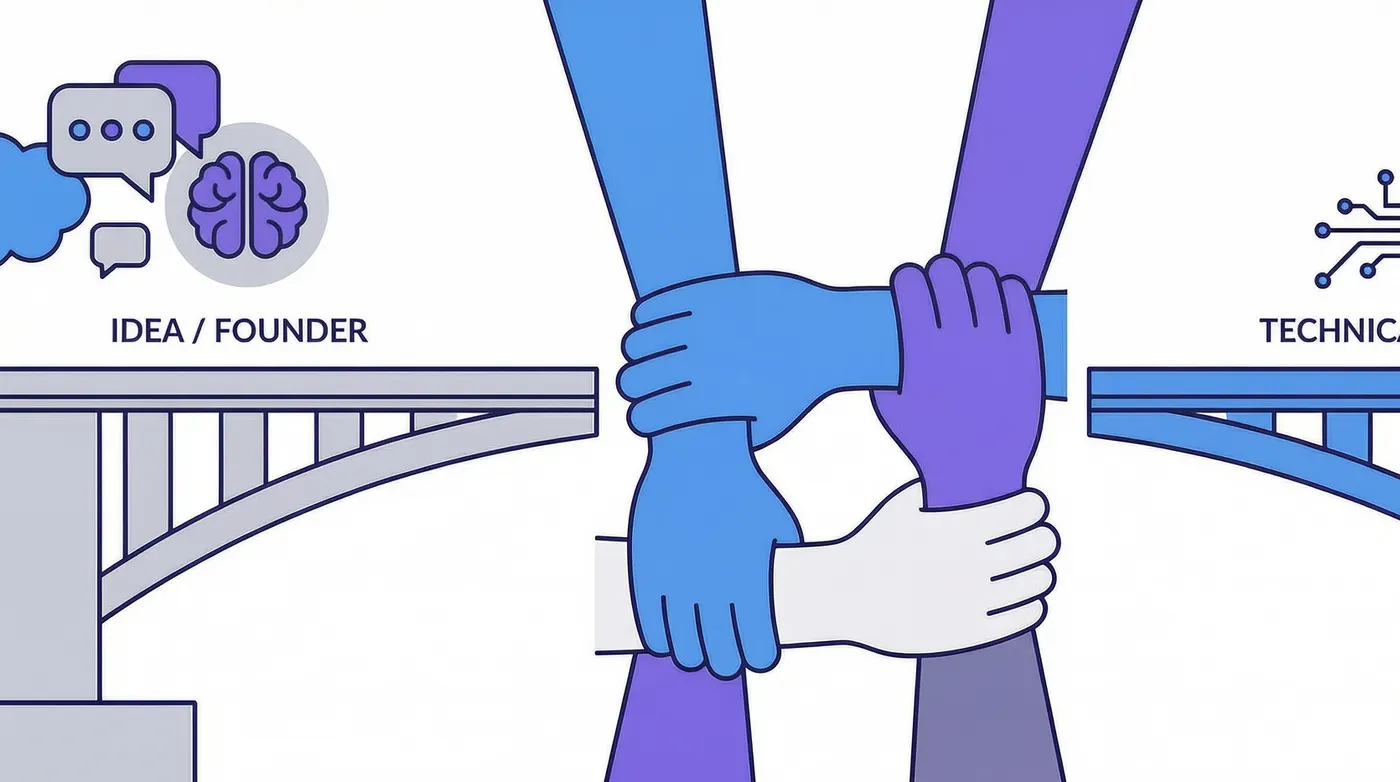
Here’s what my first 12 months building PostReach taught me, as a non-technical founder. Find co-founders before you pay anyone to build. Validate early, before you assume people want it. Ship before you feel ready. I learned each of these the expensive way, including US$5,000 and five months spent on an agency.
The Myth of the “Solo Hero”
In the early days of PostReach, I fell for the most common trap: I tried to do everything myself while outsourcing the “hard parts” to an agency. Success isn’t about how many tools you use, but the team you build.
I spent US$5,000 and five months chasing a “baked” product from an agency that didn’t care about the nuances. They weren’t invested in the vision, they were invested in the contract.
It’s an old trap. In his list of 18 startup mistakes, Paul Graham describes founders who thought “you had some clever idea and then hired programmers to implement it”, and calls that “almost impossibly hard”. He puts the single founder at the top of the same list.
Why Co-Founders are Your “Mental Infrastructure”
Finding my co-founders changed everything. As a founder, you will have “down moments” where the code fails or the growth stalls. Without a team that is deeply invested (not just paid), you will burn out.
Having co-founders keeps your mind in a good state. When things go wrong, you have people to help you see the path forward.
One caution: any co-founder isn’t better than none. Sam Altman’s Startup Playbook ranks it this way: “The best case, by far, is to have a good cofounder. The next best is to be a solo founder. The worse case, by far, is to have a bad cofounder.”
The Validation Fallacy
I’ll be transparent: I didn’t validate early enough. I assumed that because “social media is hard,” people would automatically flock to our solution. But as we’ve learned, distribution is earned, not given.
Y Combinator’s talk on how to talk to users puts the alternative plainly: “Great founders talk to future customers before they even have a product.”
The lessons I want you to take away:
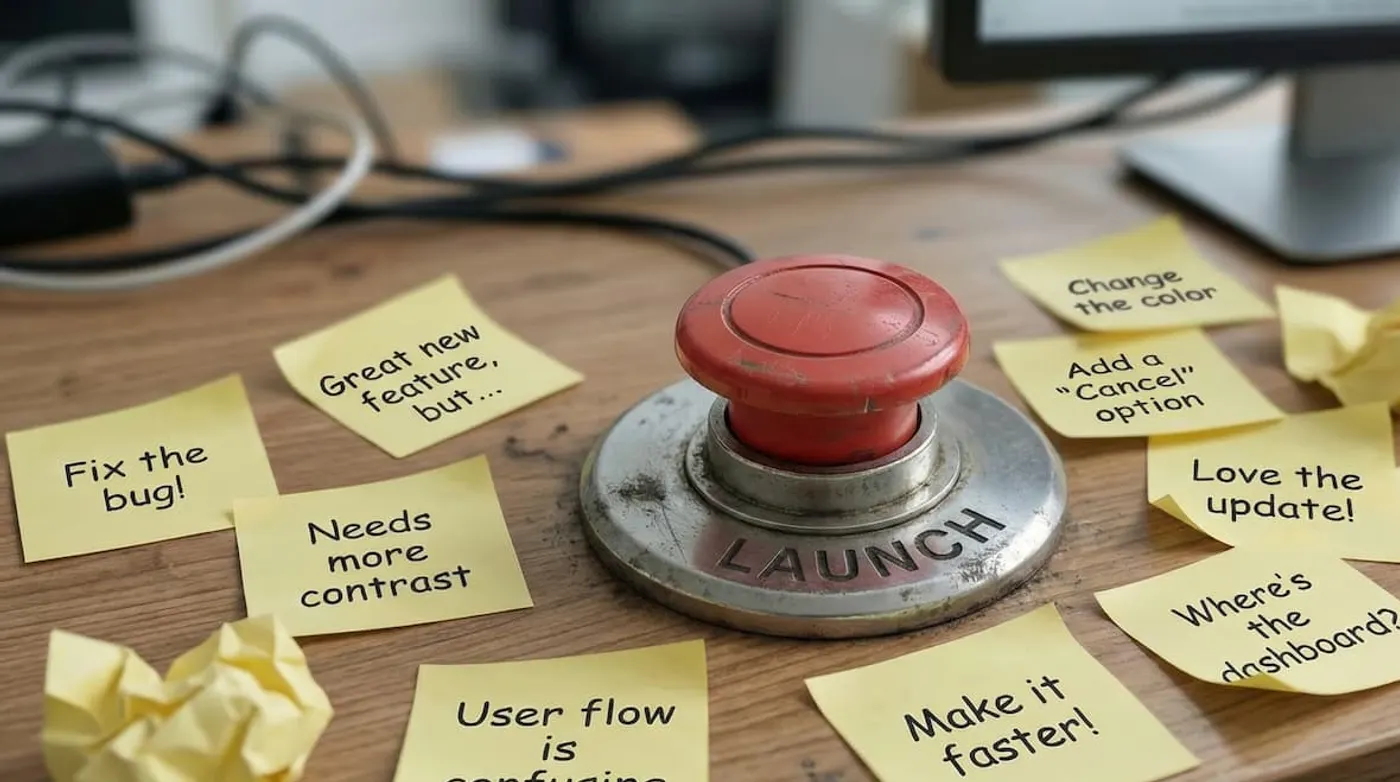
- Don’t over-build. Your app doesn’t need to be perfect. The best products are built with the user, not for them in a vacuum. Paul Graham’s list says launching too slowly “has probably killed a hundred times more startups than launching too fast”.
- Landing pages are secondary. Build a simple version. See if you can get a waitlist. Your idea will change in 12 months.
- Ignore the VC noise. If you don’t need the money to survive, don’t waste time on decks. Spend that time with your first users. The Playbook’s rule is to raise money “when you need it or when it’s available on good terms”.
Conclusion
I have zero regrets about the US$5,000 I lost, because it led me here. If you are a founder who is too busy building your vision to manage the “marketing tax” of social media, we built PostReach for you. Your own AI agent drafts the post, you approve the exact words, and PostReach publishes it. See how that works for solopreneurs and the pricing, where your first 2 accounts are free.
If you’d rather keep doing it by hand for now, start with what consistency on social media is really worth and how to use your own AI agent as a social media manager.
Sources
All checked on 5 November 2026.